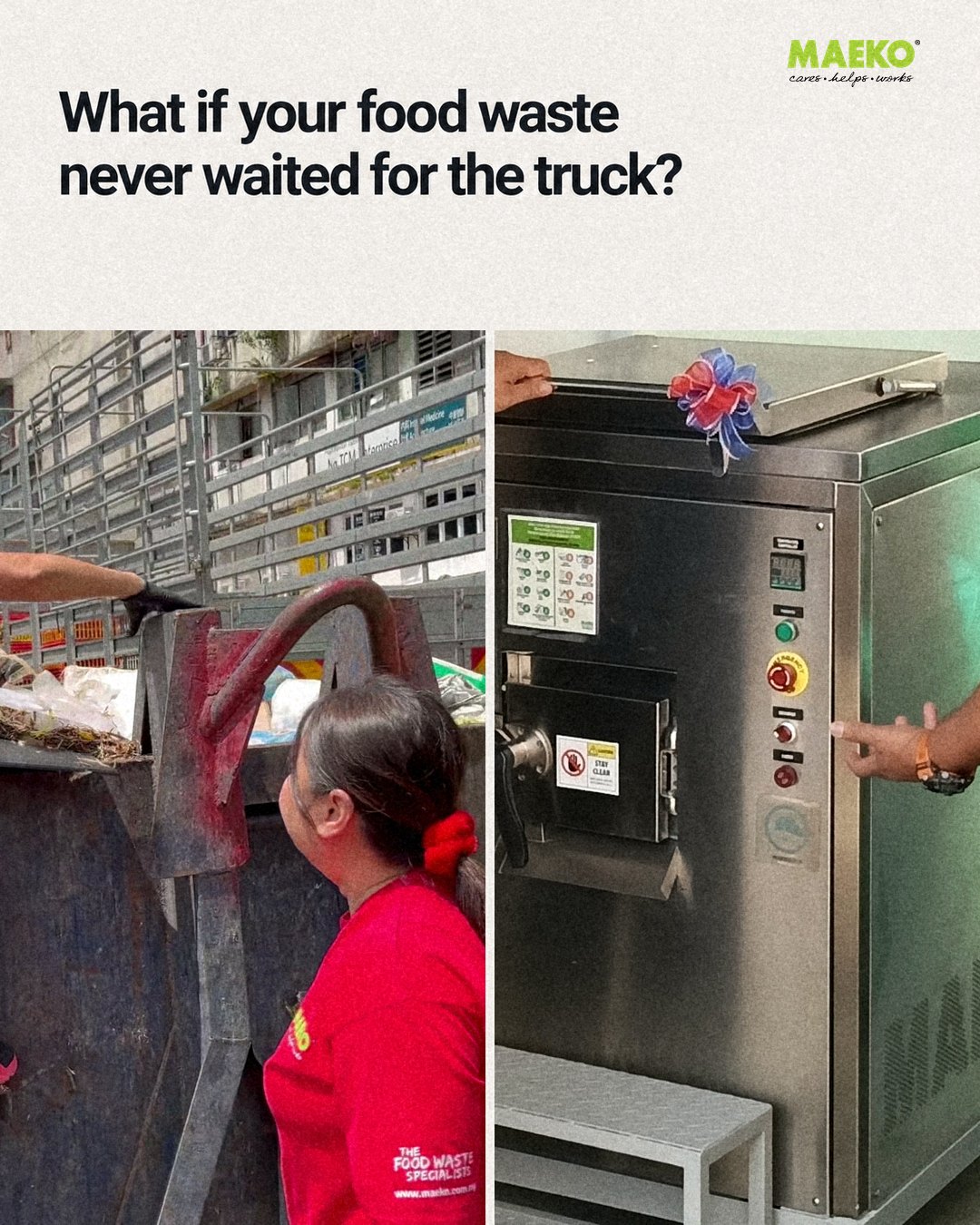
The number everyone quotes for the cost of food waste is the landfill gate fee at Jeram in Selangor: RM43.00 a tonne, set to rise to RM55.00 when the landfill's waste-to-energy plant comes online. Here is what the pitch decks leave out. That is the rate the local council pays the landfill. It is not the rate your kitchen pays, and it is not a line you will ever find on your own invoice.
Run that council rate across a year and a 400 kg-a-day kitchen sends out 146 tonnes (400 kg × 365 days), which at RM43.00 a tonne comes to about RM6,278. Treat that as a floor on one hidden line, not your bill: a commercial kitchen is billed more than the council rate, and the 400 kg is an assumption. Weigh your own kitchen for seven days before you trust any number in this article, including this one.
What does a hotel actually pay per tonne of food waste?
The RM43.00 a tonne is the council gate fee at the Jeram sanitary landfill in Selangor, effective 1 July 2023. It is set to rise to RM55.00 a tonne when the landfill's waste-to-energy plant comes online (Dewan Negeri Selangor records).
That is the number most people quote when they talk about the cost of food waste. It is not your number. Your food waste leaves through a private collector, a commercial kitchen is billed more than the council rate, and it reaches you as one bundled monthly price. So you cannot read your true cost per tonne off RM43. You can read only the direction it is heading, which is up.
Why can't you see this cost on one invoice?
Your contractor bundles the gate fee on your commercial waste, the haulage and the bin and skip rental into one monthly price. You cannot pull the gate fee out of that number, because your collector never separated it for you. Your chiller space and your team's hours never appear on any invoice at all.
That bundling is the constraint. Bin and skip rental is fixed every month whether the bin is full or not. Chiller space holds wet waste so it does not rot before the next pickup. Labour moves the waste three times over: kitchen to store, store to loading bay, then wash-down. The collection trips happen whether the bin is half full or overflowing. Not one of those lines arrives on your invoice with its own name, and every one of them is driven by the same thing: how much waste there is to move.
What actually changes once waste is treated on site?
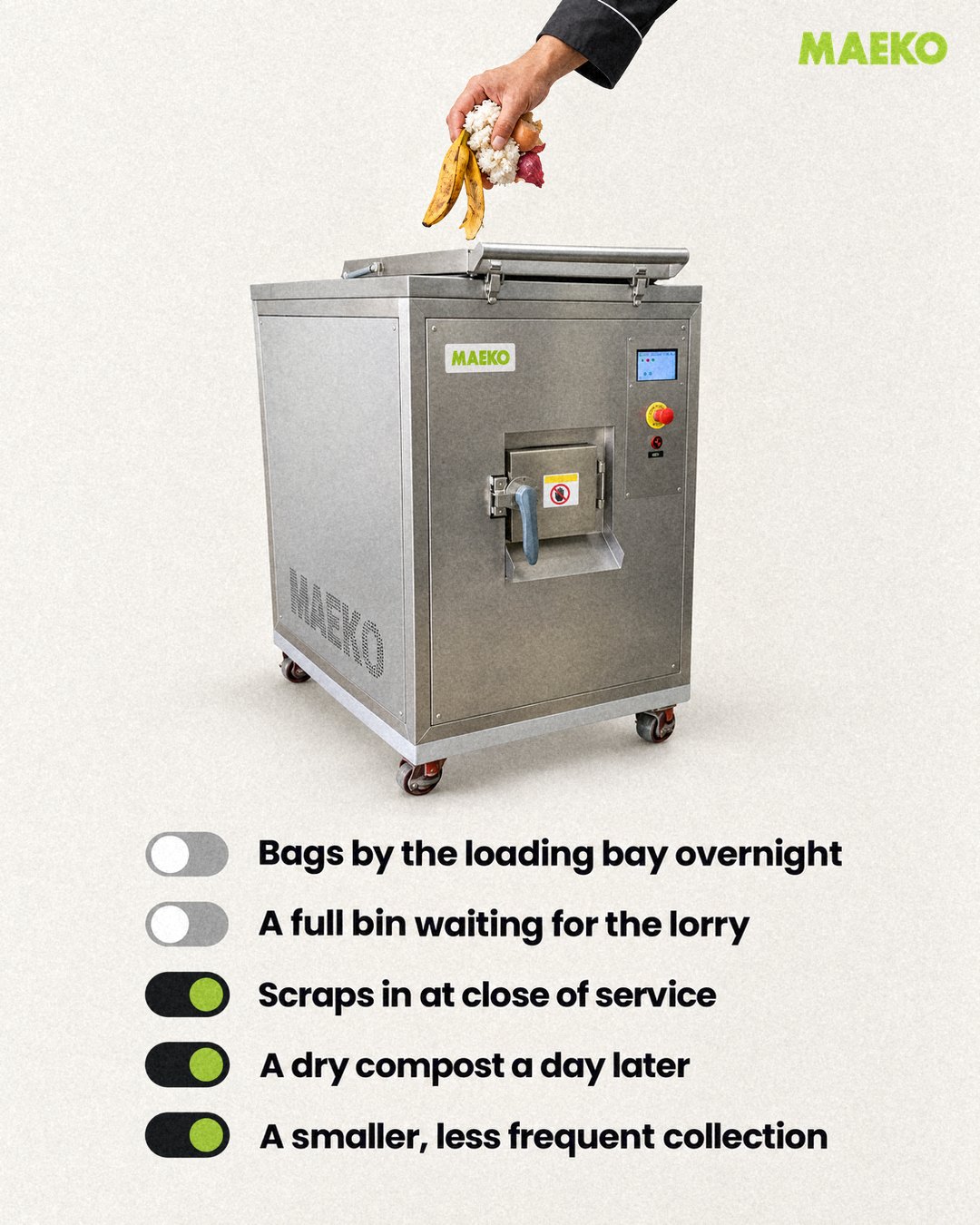
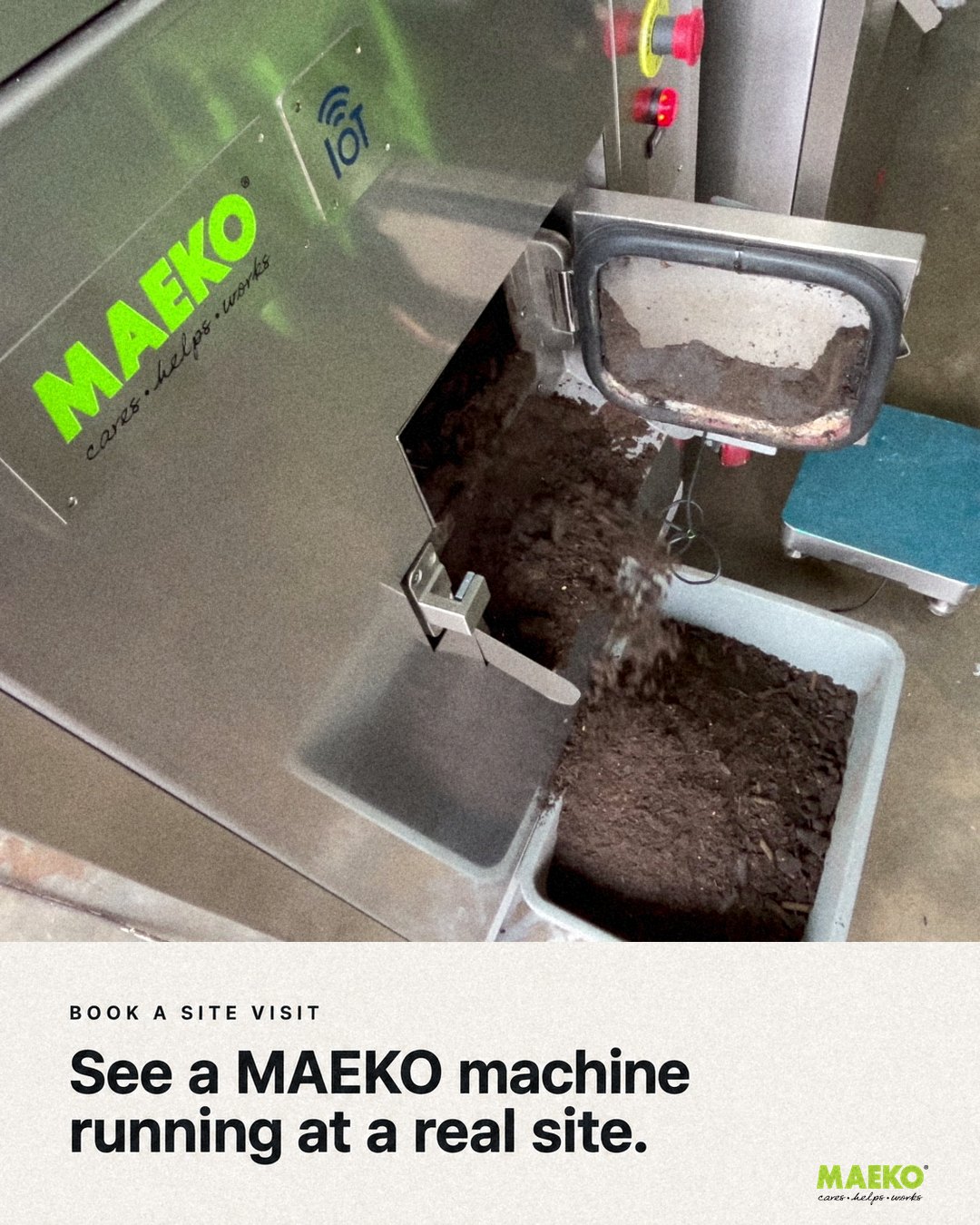
An on-site machine does not remove the bill. It shrinks the volume that has to be stored, moved and collected, which shrinks every line that volume was driving.
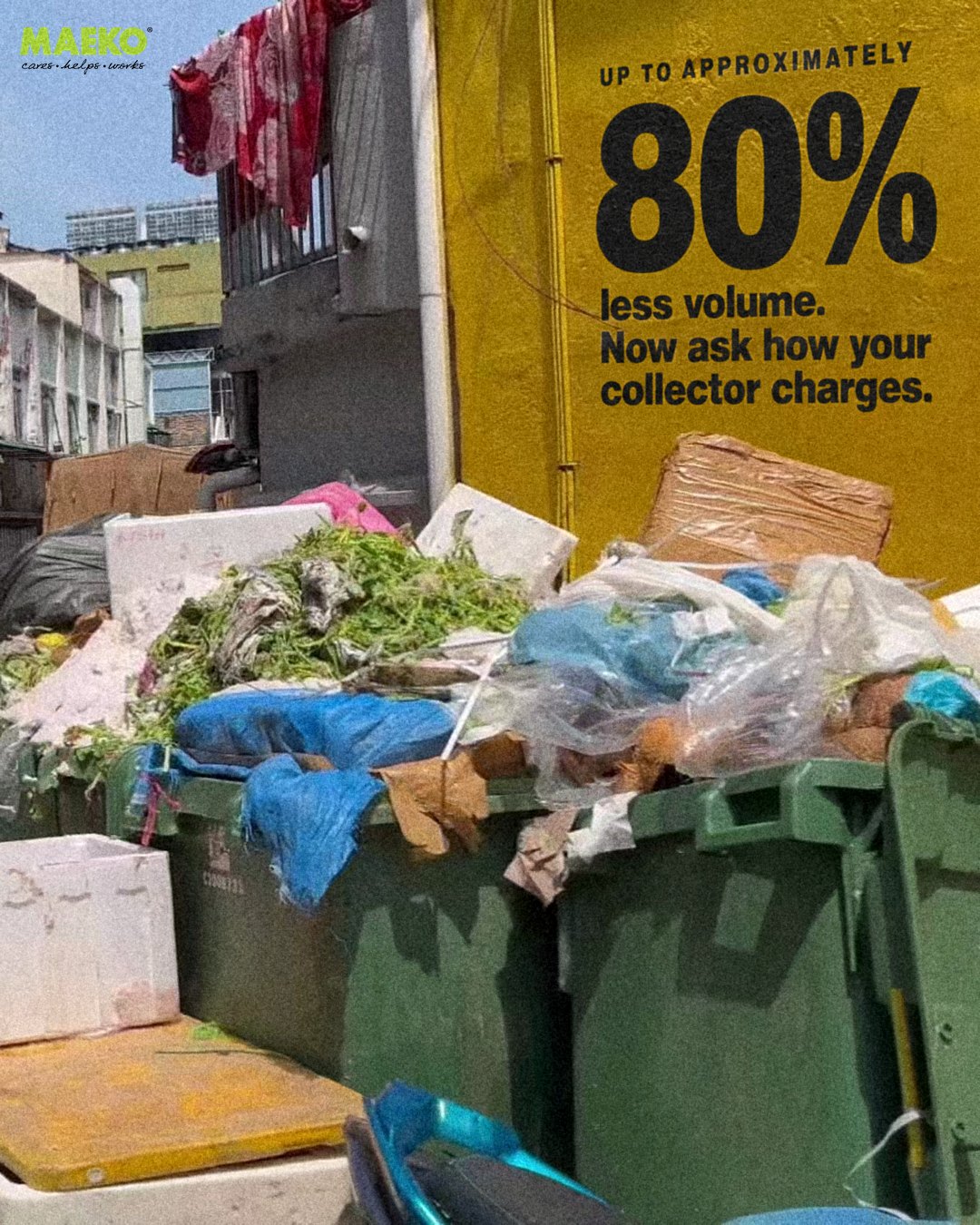
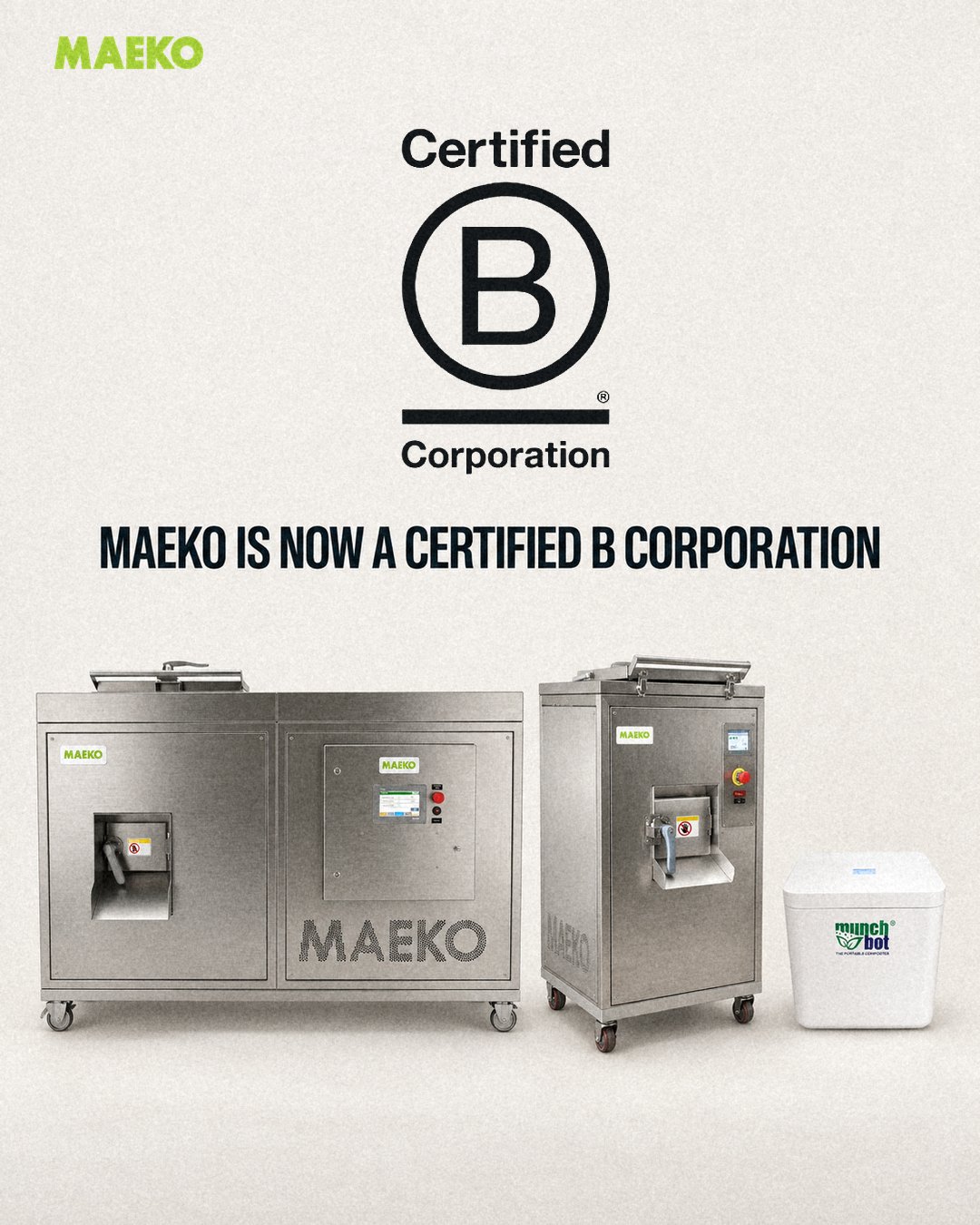
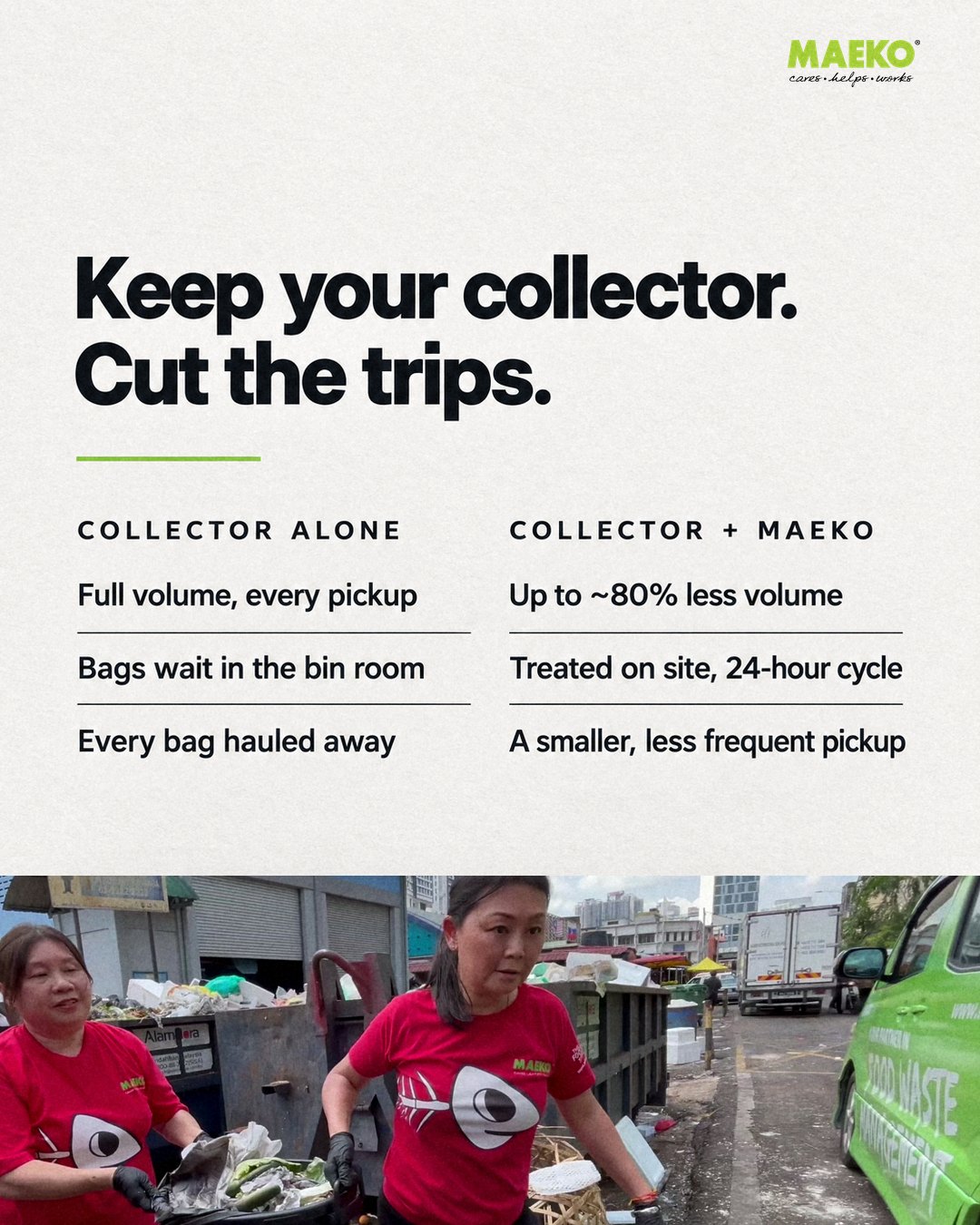
MAEKO's published figures: a 24-hour treatment cycle, and up to approximately 80% less volume by the end of it. A smaller bin needs fewer pickups. Fewer pickups need less labour to load and less chiller space to hold. Less collection, not none, because the reduction is in volume, and your contractor still has to come for whatever remains.
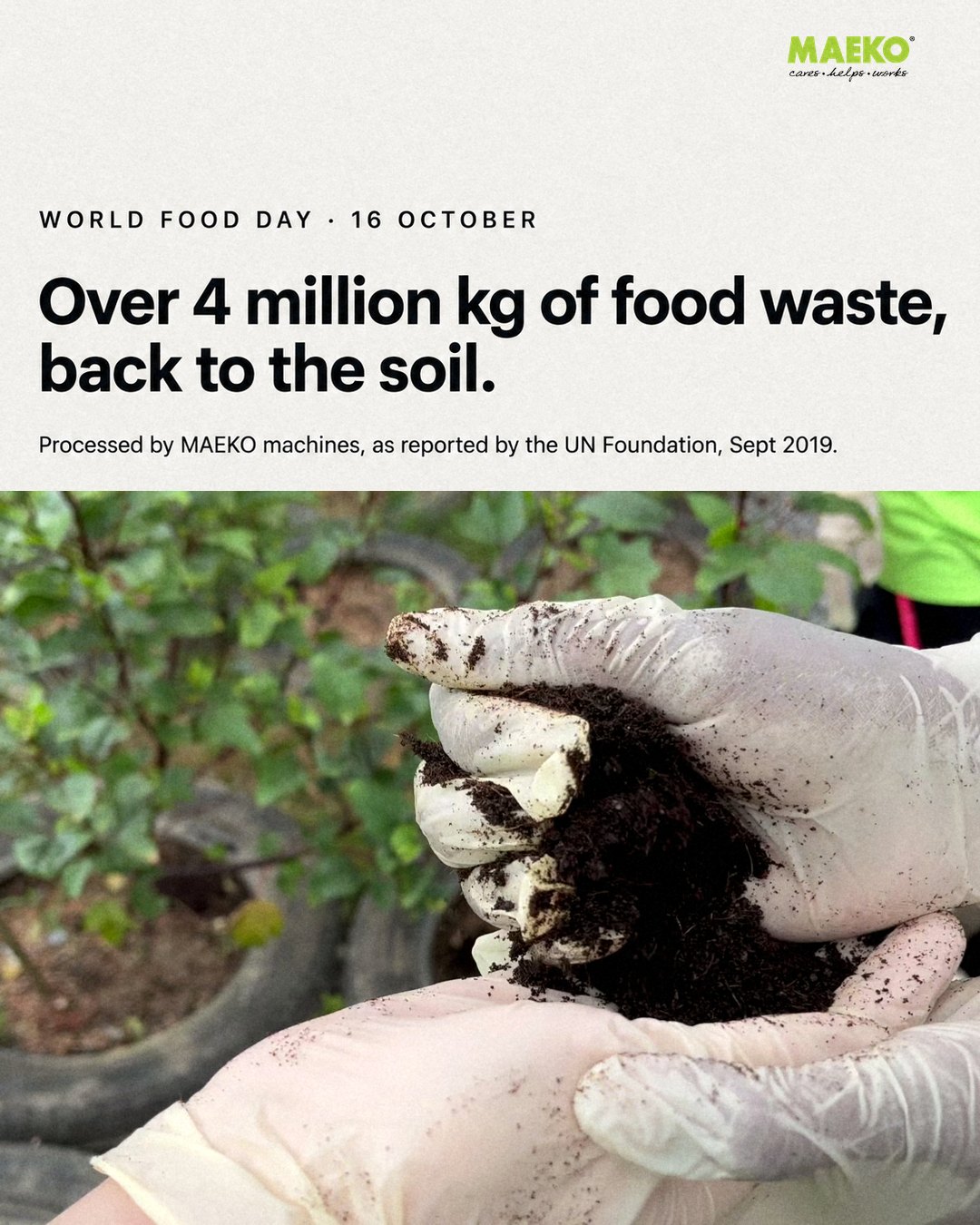
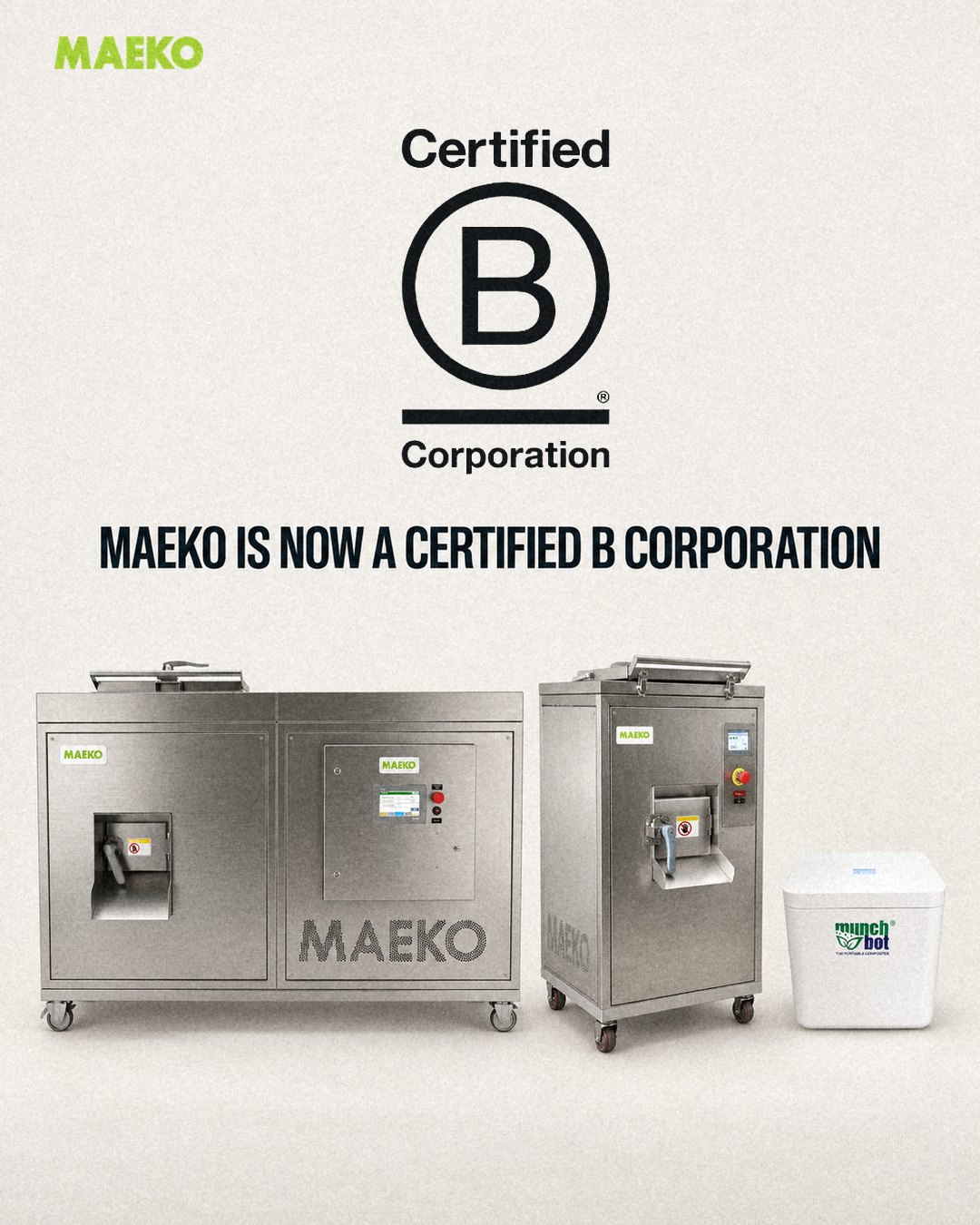
MAEKO has manufactured and run on-site food waste treatment machines in Malaysia since 2011, treating over 4 million kilograms (UN Foundation, September 2019) that would otherwise have gone to landfill.
What is the tax incentive you may have heard about?
If someone told you the government simply hands back a slice of the purchase price, they got the mechanism wrong. It is a tax allowance against income, not money off the invoice, and it works out to a smaller share of the price than that pitch implies.
The full mechanism, stated once and in full: GITA Asset Tier 2 is an allowance of 60% of qualifying capital expenditure, set against up to 70% of statutory income. At the 24% corporate rate the full allowance is worth up to 14.4% of the price as a reduction in tax payable, not a discount on the invoice, and only to the extent the company has statutory income to absorb it; unabsorbed allowance carries forward. This is not tax advice. Confirm the position with your tax agent.
Three conditions apply together, not separately: MOF-approved, MGTC-verified, MyHIJAU-listed. The expenditure must be incurred by 31 December 2026.
There is also a proposal in Budget 2026 to raise this to 100% for MyHIJAU-recognised products made locally in Malaysia. It has not been gazetted and no commencement date has been announced. Treat it as upside if it happens, never as a number you can bank today.
What does on-site treatment not solve for you?
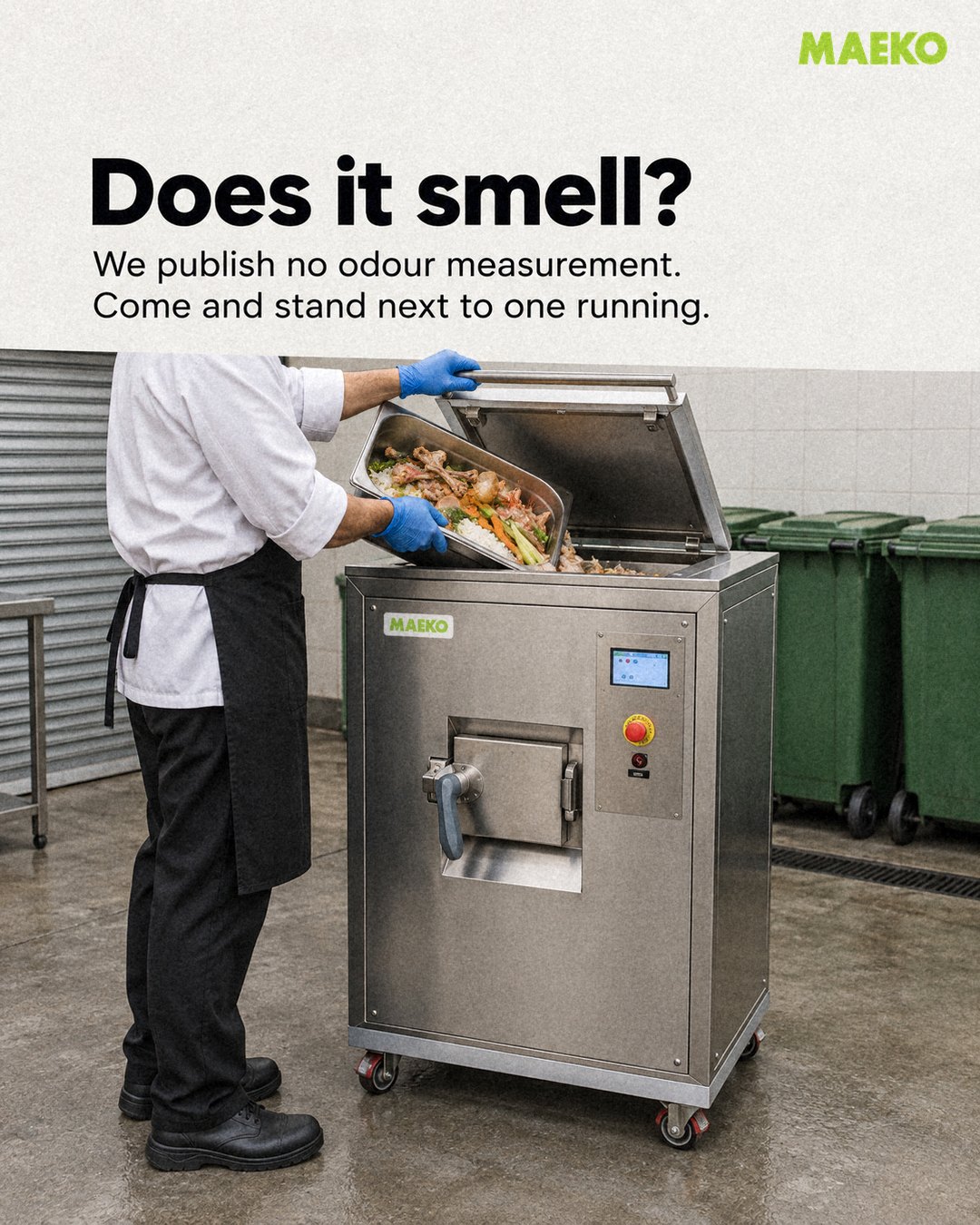
It cuts the volume of waste. We publish volume reduction. We do not publish a mass-reduction figure. What leaves the machine is a smaller, less frequent pickup, not an empty loading bay.
Two more honest limits worth stating before anyone signs anything. First, cutting waste volume by up to approximately 80% does not automatically cut a bundled monthly invoice by the same share; the saving only shows up on your bill once your contract is renegotiated to fewer or smaller pickups. If your contractor charges a flat monthly rate regardless of volume, ask them, in writing, what a smaller bin actually changes. Second, whatever comes out the other end still needs somewhere to go. A machine without a named place to send its output has swapped a waste problem for a storage problem, so confirm it before delivery, not after. MAEKO buys finished compost back, from 200 kg a trip in the Klang Valley.
How do you size a machine for your kitchen?
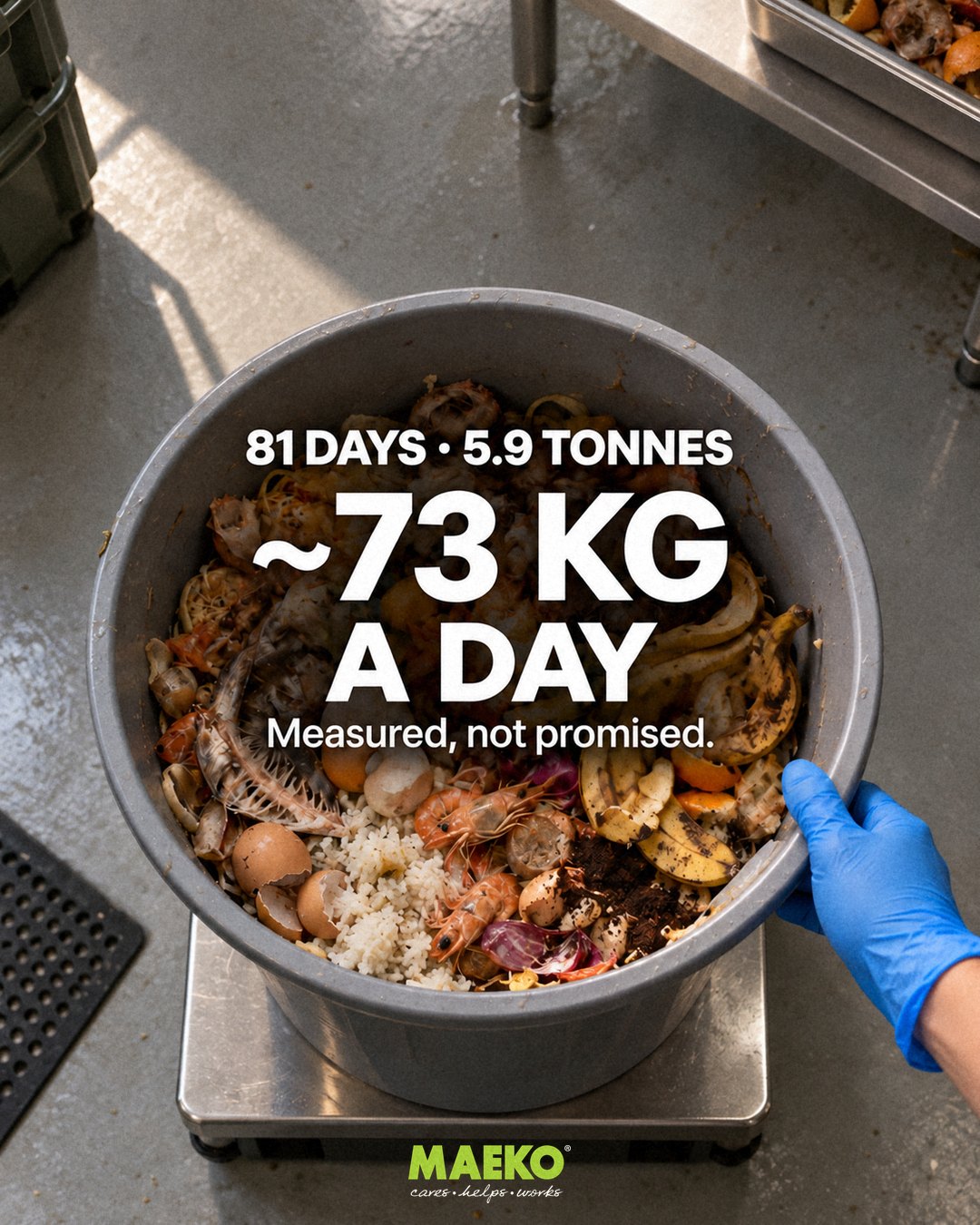
Start by weighing what you actually throw out, every day, for seven days, including your busiest banquet day.
Your average day and your peak day are different numbers. A vendor who only asks for one of them is sizing off the wrong one.
Before you sign with any vendor, ask them four things directly. What is the published throughput range for the product line you are buying, not a single model's marketing number? What happens to the output, and who has agreed in writing to take it? Is the specific unit you are buying currently listed in the MyHIJAU Directory, with the listing valid on the date you plan to incur the expenditure? And what does the vendor not publish, on energy draw, on oil and grease tolerance, on anything else that matters to your kitchen? A vendor who answers all four in writing is one you can put in front of your finance team without being embarrassed.
Comment "MAEKO" for more enquiries.